There’s nothing quite like the crisp, sweet snap of a perfect cannoli shell giving way to a luxuriously creamy, sweet ricotta filling. This iconic Italian dessert, beloved worldwide, often seems reserved for bakery cases.
Yet, with a bit of patience and our detailed guide, you can create stunning, authentic homemade cannoli that will rival any pastry shop’s. We’ll demystify the process, from crafting the signature wine-kissed pastry dough to creating the smoothest, most flavorful ricotta cream filling.
This recipe is a celebration of tradition and flavor, resulting in a show-stopping sweet treat perfect for holidays, celebrations, or any occasion that calls for a special dessert.
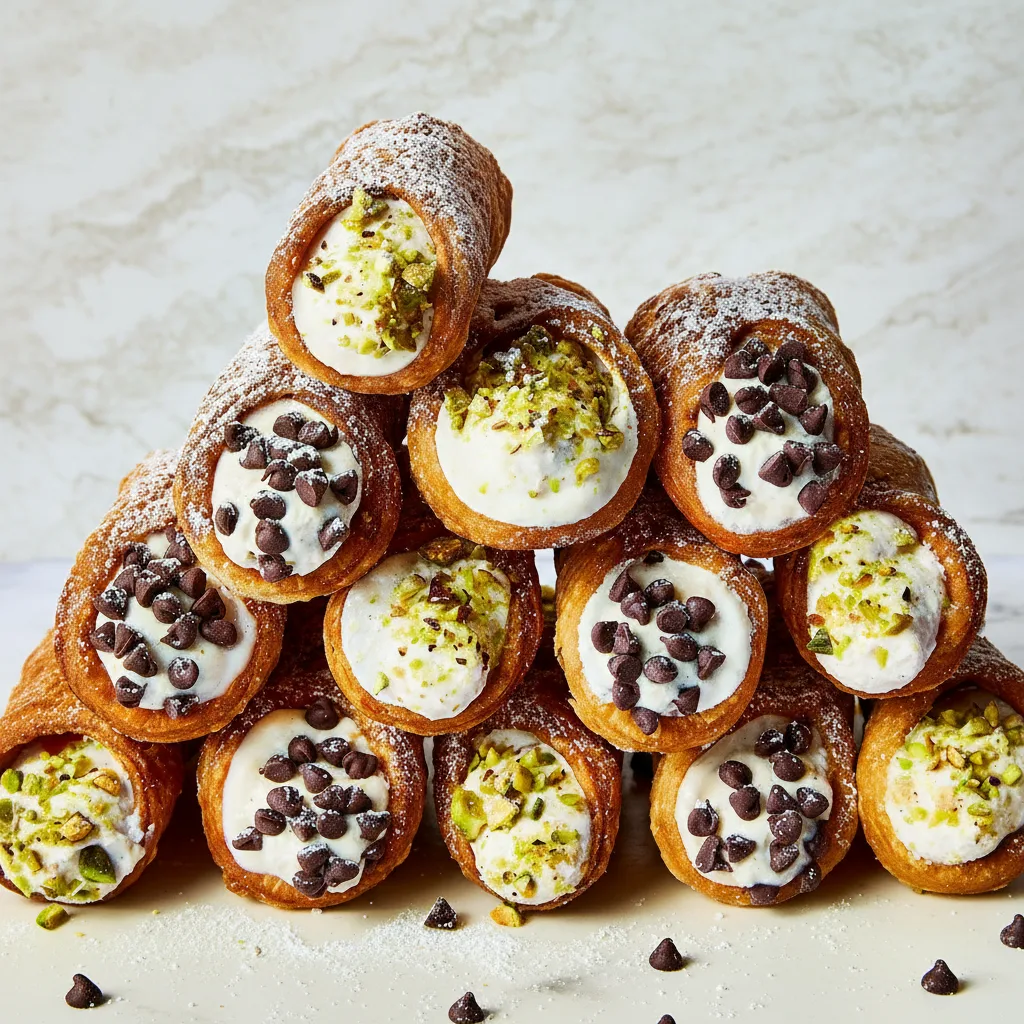
What Makes a Great Cannoli?
The magic of a great cannoli lies in the contrast of textures and the balance of flavors. A perfect shell should be delicately crisp, flaky, and just sweet enough, with a subtle hint of spice from cinnamon. The filling must be creamy and rich, yet light and not overly sweet, allowing the flavor of high-quality ricotta to shine through.
Using the right ingredients and technique for both components is the key to success. For those who love rich, comforting sides, our garlic butter potatoes au gratin offers a similarly satisfying homemade experience.
Essential Equipment
You will need a few special tools: cannoli molds (metal tubes for frying), a deep, heavy pot for frying, a thermometer for monitoring oil temperature, and a large piping bag fitted with a large round tip. A food processor makes the dough incredibly easy, but you can also use a pastry cutter or your fingers.
Cannoli Filling: The Heart of the Dessert
The filling is what defines a cannoli. For the absolute best texture, seek out ricotta impastata, a specially milled, ultra-smooth ricotta. If you can’t find it, straining regular whole milk ricotta is a must.
Preparing the Perfect Ricotta Cream
In a large bowl, combine 10 ounces of ricotta impastata (or strained whole milk ricotta) with 10 ounces of additional whole milk ricotta. Add 1/2 cup (100 grams) of granulated sugar, 1/2 teaspoon of pure vanilla extract, 1/4 teaspoon of ground cinnamon, and 1/8 teaspoon of kosher salt. For a bright, floral note, 1 teaspoon of finely grated orange zest is a wonderful optional addition.
Beat the mixture with a hand mixer or vigorously whisk by hand until it is very smooth and well combined. Cover tightly and refrigerate for at least 2 hours, or preferably overnight. This chilling time allows the flavors to meld and the filling to firm up, making it much easier to pipe later.
Cannoli Shells: A Crisp Vessel
The shell dough is a simple pastry enriched with a touch of sweetness and spice. The key is keeping everything cold and handling the dough minimally to ensure a tender, flaky final product.
Making the Dough
In the bowl of a food processor, pulse together 2 cups (240 grams) of all-purpose flour, 3 tablespoons of granulated sugar, 3/4 teaspoon of ground cinnamon, and 3/4 teaspoon of kosher salt. Add 6 tablespoons of cold, cubed unsalted butter and pulse until the mixture resembles coarse meal.
In a small bowl, whisk together 1 large egg white and 1/3 cup of a quality white grape juice or apple juice substitute. With the processor running, slowly pour the juice mixture through the feed tube. Process just until the dough begins to clump together.
Turn the dough out onto a lightly floured surface and knead gently a few times to bring it together into a smooth ball. Flatten into a disk, wrap tightly in plastic, and refrigerate for at least 1 hour. This rest relaxes the gluten, making the dough easier to roll out without shrinking.
Rolling, Cutting, and Frying
On a lightly floured surface, roll the chilled dough out very thin, about 1/8-inch thick. Using a floured cutter (about 4 to 4.5 inches in diameter), cut out circles of dough. Re-roll scraps once. Wrap a dough circle around a cannoli mold, sealing the edge with a dab of beaten egg white.
Press firmly to ensure a tight seal. In a deep, heavy pot, heat 2 quarts of vegetable oil to 365°F to 375°F (185°C to 190°C). Carefully lower 2-3 shells at a time into the hot oil. Fry for about 1 to 2 minutes, turning once, until golden brown and blistered.
Use tongs to carefully remove the shell (still on the mold) and drain on a paper towel-lined rack. Let cool for a minute, then, using a towel to protect your fingers, gently twist and slide the shell off the mold. Let the shells cool completely on the rack before filling. They must be completely cool and crisp.
Assembly and Serving
Just before serving, transfer your chilled cannoli cream to the large piping bag fitted with a large round tip. Pipe the filling generously into one end of a cooled shell, then pipe into the other end, creating a generous, overflowing look.
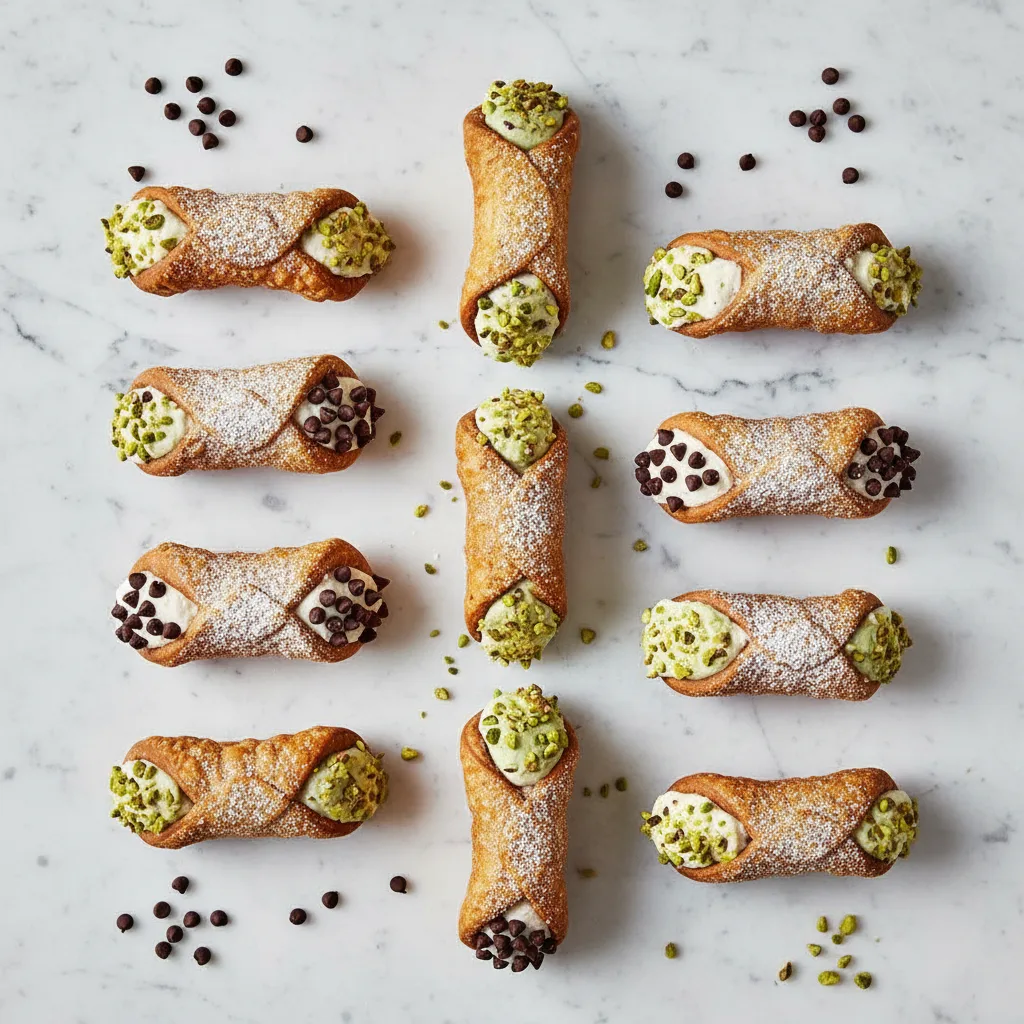
Alternatively, you can fill from both ends. Immediately dip the exposed filling ends into a bowl of mini chocolate chips, finely chopped pistachios, or a combination. For a classic finish, dust the assembled cannoli generously with confectioners’ sugar. Cannoli are best served immediately after filling to preserve the shell’s signature crunch.
If you need to prepare ahead, store unfilled shells in an airtight container at room temperature and the filling in the fridge, assembling up to 30 minutes before serving. For more ideas on crafting creamy, indulgent dishes, explore our three cheese scalloped potatoes or our extra creamy scalloped potatoes.
Troubleshooting and Pro Tips
Problem: Soggy Shells. This is almost always caused by filling the shells too far in advance. The moisture from the filling will soften the pastry.
Fill only what you will serve within 30 minutes. Problem: Tough Dough. This is from overworking the dough or adding too much liquid. Handle it minimally and ensure your juice measurement is accurate.
Tip for Extra Flavor: For a more complex shell, add a tiny pinch of ground cloves or allspice to the dough. Tip for Presentation: Use different garnishes on each end for a beautiful, colorful display.
Nutrition Information
Understanding the nutritional profile of this rich dessert is important. The values below are for the entire recipe batch and are approximate. Remember, cannoli are a treat to be enjoyed in moderation.
| Nutrient | Amount per Batch |
|---|---|
| Calories | 18816 Calories |
| Total Fat | 1921 g |
| Carbohydrates | 362 g |
| Protein | 72 g |
| Fiber | 8 g |
| Sugars | 144 g |
| Sodium | 2346 mg |
Conclusion
Making homemade cannoli is a rewarding culinary project that fills your kitchen with wonderful aromas and yields an incredibly impressive dessert. While it requires several steps, none are difficult, and the process can be spread over two days. The result a platter of beautifully crisp, creamy, and perfectly garnished cannoli is worth every minute.
It’s a beautiful way to honor Italian pastry tradition and create a memorable sweet experience for your family and friends. So, gather your ingredients, embrace the process, and get ready to enjoy one of the world’s most beloved pastries, made with love in your own kitchen.
Recipe
Print
Homemade Cannoli
- Total Time: 2 hr
- Yield: 12 servings 1x
Description
A classic Italian pastry featuring crisp, cinnamon-spiced shells filled with a luxuriously smooth and sweet ricotta cream, finished with chocolate chips and pistachios.
Ingredients
- 10 oz. ricotta impastata (or strained whole milk ricotta)
- 10 oz. whole milk ricotta
- 1/2 c. (100 g.) granulated sugar
- 1/2 tsp. pure vanilla extract
- 1/4 tsp. ground cinnamon
- 1/8 tsp. kosher salt
- 1 tsp. finely grated orange zest (optional)
- 2 c. (240 g.) all-purpose flour, plus more for surface
- 3 tbsp. granulated sugar
- 3/4 tsp. ground cinnamon
- 3/4 tsp. kosher salt
- 6 tbsp. cold unsalted butter, cut into cubes
- 1 large egg white
- 1/3 c. white grape or apple juice substitute
- 2 qt. vegetable oil
- Mini chocolate chips, crushed pistachios, and confectioners’ sugar, for serving
- Cannoli molds and a large piping bag with a large round tip
Instructions
-
Cannoli Cream
In a large bowl, combine both ricottas, sugar, vanilla, cinnamon, salt, and optional orange zest. Beat until very smooth. Cover and refrigerate for at least 2 hours, or overnight.
-
Shells & Assembly
1. Make Dough: In a food processor, pulse flour, sugar, cinnamon, and salt. Add butter; pulse to coarse meal. Whisk egg white and juice substitute; pour into processor while running until dough clumps. Knead briefly, form a disk, wrap, and chill 1 hour.
2. Roll & Cut: On floured surface, roll dough very thin (1/8′). Cut into 4-4.5′ circles.
3. Fry: Heat oil to 365-375°F. Wrap dough circles around molds, sealing with egg white. Fry 2-3 at a time for 1-2 minutes until golden. Drain, cool slightly, remove from mold. Cool completely.
4. Fill: Just before serving, pipe chilled filling into cooled shells. Dip ends in chocolate chips/pistachios. Dust with confectioners’ sugar. Serve immediately.
Notes
- Fill shells no more than 30 minutes before serving to prevent sogginess.
- Ricotta impastata yields the smoothest filling; straining regular ricotta is essential.
- The dough must be rolled very thin for the proper crisp texture.
- Unfilled shells can be stored in an airtight container at room temperature for 2 days.
- Prep Time: 15 min
- Cook Time: 45 min
- Category: Main Course
- Method: Baked
- Cuisine: American
Nutrition
- Calories: 18816 Calories
- Sugar: 144 g
- Sodium: 2346 mg
- Fat: 1921 g
- Carbohydrates: 362 g
- Fiber: 8 g
- Protein: 72 g