Welcome to the world of easy, irresistible Asian desserts. Today, we’re mastering Pillowy Banana Mochi, a recipe that transforms simple, wholesome ingredients into a visually stunning and delicious snack. This guide will walk you through every step, offering expert tips, recipe variations, and the cultural significance behind this delightful treat.
By the end, you’ll have a perfect batch of soft, chewy mochi wrapped around sweet banana and coated in fragrant coconut flakes. It’s the perfect project for bakers of any level looking to create something beautiful and tasty.
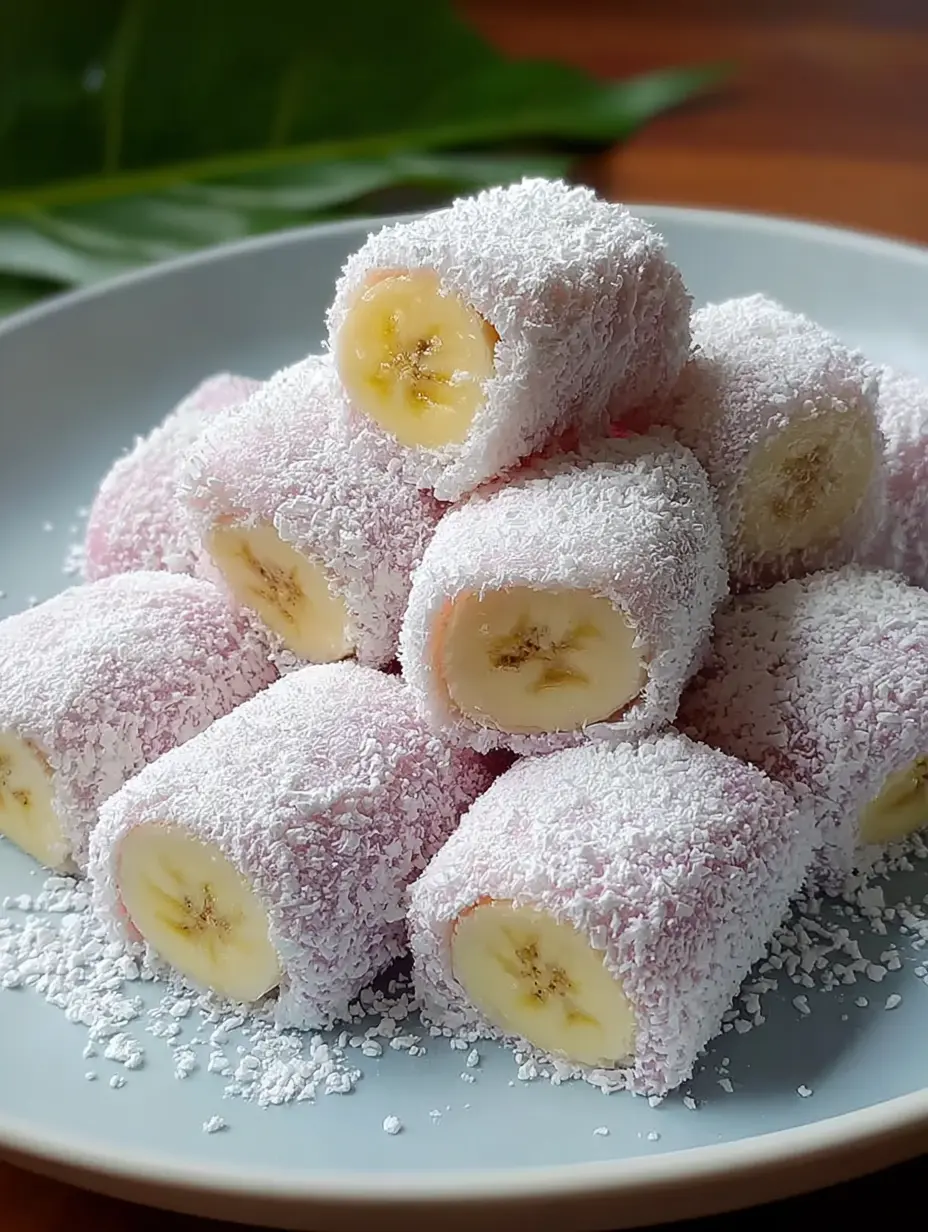
What Is Banana Mochi?
Mochi is a traditional Japanese rice cake made from glutinous rice flour, known for its unique chewiness and versatility. Our Banana Mochi puts a creative spin on the classic by using a soft, steamed dough to encase a whole banana. The result is a handheld treat with a fantastic contrast of textures – the tender, slightly sweet outer layer gives way to the creamy, natural sweetness of the banana inside.
Finished with a roll in coconut flakes, it’s a dessert that’s as pleasing to the eye as it is to the palate. This recipe is naturally dairy-free when using vegetable oil and can be easily adapted for various dietary preferences.
The Cultural Touch of Mochi
In Japan, mochi holds deep cultural significance, especially during the New Year celebration known as Mochitsuki. While traditional mochi-making involves pounding steamed rice, modern home cooks often use glutinous rice flour for convenience. This Banana Mochi recipe honors that spirit of adaptation and celebration, turning a daily fruit into a special occasion treat.
Its pastel hue, achievable with natural fruit juice, aligns perfectly with the modern ‘Asian Desserts Aesthetic’ – food that is minimalist, elegant, and inherently Instagram-worthy.
Your Banana Mochi Ingredient Breakdown
Each component in this recipe has a specific purpose. Using the correct ingredients ensures your mochi turns out perfectly soft and pillowy every time.
The Core Ingredients
Glutinous Rice Flour (130g): This is the essential base. Despite its name, it contains no gluten. ‘Glutinous’ refers to its sticky, glue-like consistency when cooked, which gives mochi its signature chewy texture. Do not substitute with regular rice flour.
Cornstarch (40g): This ingredient is crucial for achieving a tender, soft texture. It lightens the dense glutinous rice flour, preventing the mochi from becoming too heavy or gummy.
Granulated Sugar (30g): Adds a subtle sweetness to the dough that complements the banana.
The amount is modest, allowing the fruit’s natural flavor to shine.
Milk (160g): Provides moisture and richness. For a dairy-free version, any plant-based milk like almond, oat, or coconut milk works perfectly.
Vegetable Oil (8g) or Butter (10g): This fat component is kneaded into the cooked dough. It creates a smoother, more pliable texture and adds a slight richness. Peanut oil is recommended for its neutral flavor, but any mild vegetable oil is fine.
Flavor and Coating Enhancers
Natural Fruit Juice (10g, optional): This is where creativity meets aesthetics. A small amount of dragon fruit, beet, or blueberry juice adds a beautiful pastel color without artificial dyes. It’s a purely visual upgrade.
Small Bananas (8): Choose ripe but firm bananas. They should be sweet but still hold their shape when wrapped.
This is the delicious, healthy heart of the treat.
Coconut Flakes: Used for coating, they add a delightful tropical aroma, a slight crunch, and prevent the sticky mochi from clinging to your hands. Unsweetened flakes are recommended to control sugar content.
Step-by-Step Instructions for Perfect Mochi
Follow these detailed steps to ensure success from your first attempt. The process is straightforward but pays attention to texture and timing.
Phase 1: Preparing and Steaming the Dough
Start by combining your dry ingredients. In a large mixing bowl, whisk together 130g of glutinous rice flour, 40g of cornstarch, and 30g of granulated sugar until thoroughly blended. This ensures an even distribution and prevents lumps. Next, gradually pour in 160g of milk while stirring continuously. Use a whisk to beat the mixture until it is completely smooth and free of any flour clumps. The consistency should resemble a thin pancake batter.
Pour this batter into a shallow, heat-proof dish.
A pie plate or a small baking tray works well. Cover the dish tightly with a lid or aluminum foil. This step is critical—it prevents steam from dripping into the dough and making it watery. Place the covered dish in a steamer over boiling water. Steam for approximately 20 minutes. The dough is ready when it appears firm, opaque, and slightly glossy on top. A toothpick inserted into the center should come out clean.
Phase 2: Kneading, Shaping, and Assembling
Carefully remove the hot dish from the steamer. Allow it to cool just enough to handle, about 5-10 minutes. Transfer the cooked dough to a clean surface. While it’s still warm, add 8g of vegetable oil (or 10g of softened butter) and the optional 10g of fruit juice. Now comes the fun part: kneading. Wear food-safe gloves lightly oiled to prevent sticking. Knead the dough for 5-7 minutes until it becomes incredibly smooth, elastic, and the oil is fully incorporated. This kneading develops the signature chewy, stretchy mochi texture.
Once your dough is ready, pinch off a portion roughly the size of a golf ball. Flatten it gently in the palm of your hand into a disc large enough to wrap around a peeled banana. Place the banana on the dough and carefully wrap it, pinching the seams to seal completely. Roll the assembled Banana Mochi in a plate of coconut flakes until it’s evenly coated on all sides. Repeat with the remaining dough and bananas.
Pro Tips for Mochi Mastery
Prevent Sticking: Always keep your hands, work surface, and dough lightly dusted with cornstarch or potato starch. This is non-negotiable for easy handling.
Check Your Steam: Ensure your water is at a rolling boil before adding the dish, and maintain that steady steam throughout the 20-minute cooking time. Do not lift the lid prematurely.
Banana Ripeness: Avoid overly ripe, mushy bananas as they can make the mochi soggy and difficult to wrap. Slightly underripe bananas work beautifully.
Serving Suggestion: For the best experience, enjoy your Banana Mochi fresh on the same day. The texture is at its peak – soft, chewy, and divine.
Creative Recipe Variations
This recipe is a fantastic canvas for your creativity. Here are some popular twists:
Chocolate Drizzle: Add a gourmet touch by drizzling melted dark chocolate over the coconut-coated mochi.
Nutty Crunch: Mix finely chopped toasted peanuts or almonds into the coconut coating for added texture and flavor.
Filling Swap: Instead of a whole banana, try a tablespoon of red bean paste, sweetened peanut butter, or a slice of mango for a different core.
Color Palette: Use matcha powder for a green hue, turmeric for yellow, or activated charcoal for a dramatic black mochi.
Nutritional Profile and Benefits
This Banana Mochi isn’t just delicious; it offers a better-for-you profile compared to many store-bought desserts. The primary ingredient, glutinous rice flour, provides complex carbohydrates for sustained energy. Bananas are a great source of dietary potassium and fiber.
Using vegetable oil keeps saturated fat low, and the modest amount of added sugar lets the fruit’s natural sweetness lead. Here is a detailed look at the nutrition per serving.
| Nutrient | Amount Per Serving |
|---|---|
| Calories | 180 calories |
| Total Fat | 5g |
| Carbohydrates | 30g |
| Dietary Fiber | 2g |
| Sugars | 12g |
| Protein | 3g |
| Sodium | 20mg |
This treat fits wonderfully into a balanced diet as a satisfying snack or a light dessert conclusion to a meal.
Storage, Troubleshooting, and FAQs
How to Store Your Mochi
Banana Mochi is best enjoyed fresh. If you need to store it, place the pieces in a single layer in an airtight container at room temperature for up to 24 hours. Avoid refrigeration, as the cold air will cause the mochi to harden and lose its soft, pillowy texture.
For longer storage, you can freeze the uncoated, wrapped mochi on a baking sheet before transferring to a freezer bag. Thaw at room temperature and roll in coconut flakes just before serving.
Solving Common Mochi Issues
Dough is too sticky: This usually means it needed more kneading with the oil, or your steaming time was slightly short. Knead in a little extra cornstarch until manageable.
Mochi is too hard: Over-steaming or using too much flour can cause this.
Ensure you stick to the 20-minute timer and measure ingredients by weight for accuracy.
Banana leaks: Make sure your dough wrapper is completely sealed with no holes, and use bananas that are firm, not overripe.
Frequently Asked Questions
Q: Can I bake this mochi instead of steaming it?
A: For this specific pillowy texture, steaming is essential. Baking will create a different, drier result.
Q: Is this recipe gluten-free?
A> Yes! Glutinous rice flour is naturally gluten-free. Ensure your cornstarch and other ingredients are certified gluten-free if required.
Q: Can I make the dough ahead of time?
A: You can steam the dough a few hours in advance. Keep it wrapped tightly in plastic wrap at room temperature and knead it briefly to restore pliability before shaping.
Final Thoughts
Creating your own Pillowy Banana Mochi is a rewarding kitchen adventure that blends simple technique with stunning results. This recipe proves that with a few quality ingredients and clear instructions, you can create an authentic, aesthetic Asian dessert at home. It’s a perfect activity for a family baking day, a unique offering for a party, or a thoughtful homemade gift.
The process is as enjoyable as the delicious, chewy, fruity outcome. So gather your ingredients, embrace the kneading, and get ready to enjoy one of the most satisfying and beautiful Healthy Snacks to Make. Happy cooking!
The Recipe
Print
Pillowy Banana Mochi
- Total Time: 35 min
- Yield: 8 servings 1x
- Diet: Gluten-Free, Vegetarian
Description
Soft, chewy mochi dough wrapped around a sweet banana and rolled in coconut flakes for a stunning and delicious homemade treat.
Ingredients
130 g glutinous rice flour
40 g cornstarch
30 g granulated sugar
160 g milk
8 g vegetable oil (peanut oil recommended) or 10g butter
10 g natural fruit juice (optional, for color)
8 Small bananas
Coconut flakes for coating
Instructions
- In a mixing bowl, combine glutinous rice flour, cornstarch, sugar, and milk. Stir until smooth.
- Pour into a shallow, covered dish and steam for 20 minutes until firm.
- Transfer cooked dough to a surface. While warm, knead in vegetable oil (or butter) and optional fruit juice until smooth and elastic.
- Pinch a piece of dough, flatten it, and wrap it around a peeled banana. Seal completely.
- Roll the wrapped Banana Mochi in coconut flakes until fully coated.
Notes
- Keep hands and work surface dusted with cornstarch to prevent sticking.
- Use ripe but firm bananas for best results.
- Enjoy fresh for the ideal soft and chewy texture.
- Prep Time: 15 min
- Cook Time: 20 min
- Category: Dessert
- Method: Steamed
- Cuisine: Japanese-Inspired
Nutrition
- Serving Size: 1 banana mochi
- Calories: 180 calories
- Sugar: 12g
- Sodium: 20mg
- Fat: 5g
- Saturated Fat: 1g
- Unsaturated Fat: 3g
- Trans Fat: 0g
- Carbohydrates: 30g
- Fiber: 2g
- Protein: 3g
- Cholesterol: 0mg