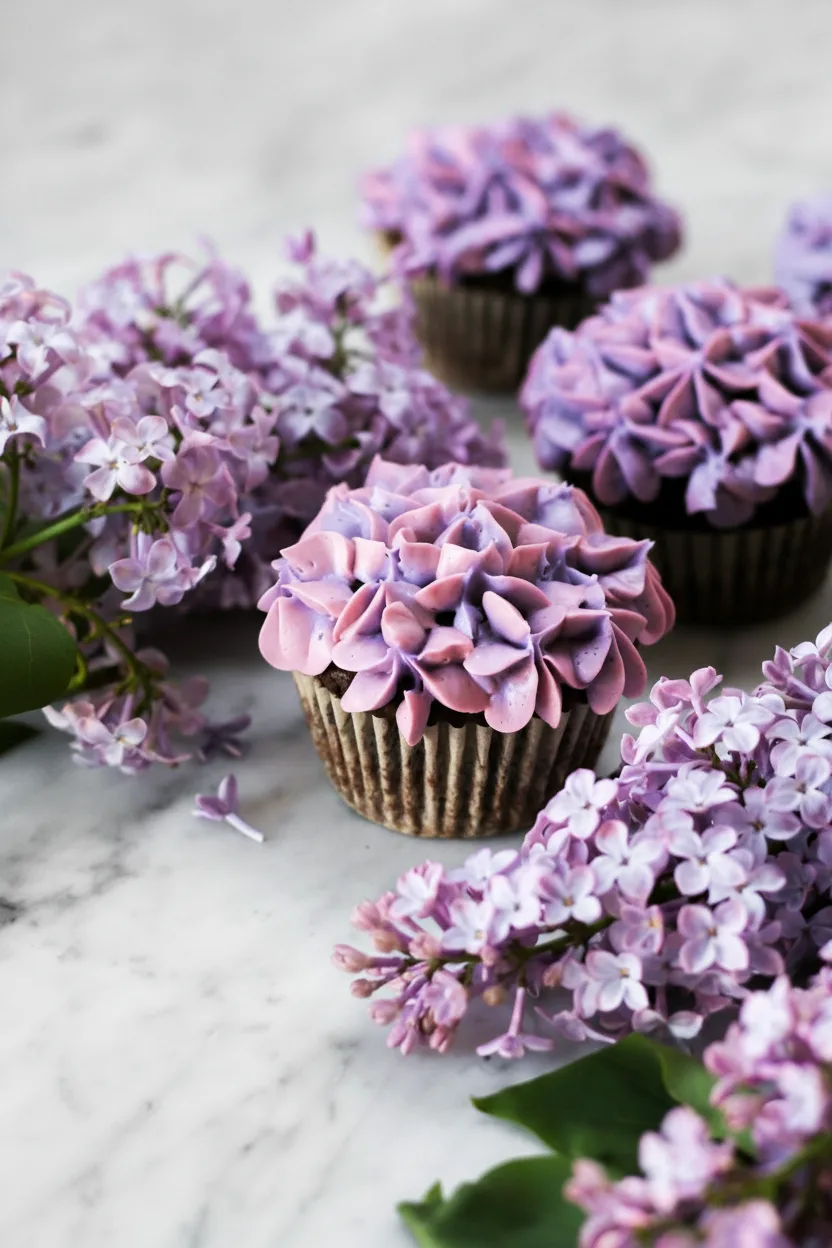
Imagine biting into a moist chocolate cupcake that holds a secret whisper of spring. These lilac chocolate cupcakes offer that exact experience. They combine rich cocoa flavor with the delicate, floral notes of fresh lilac blossoms.
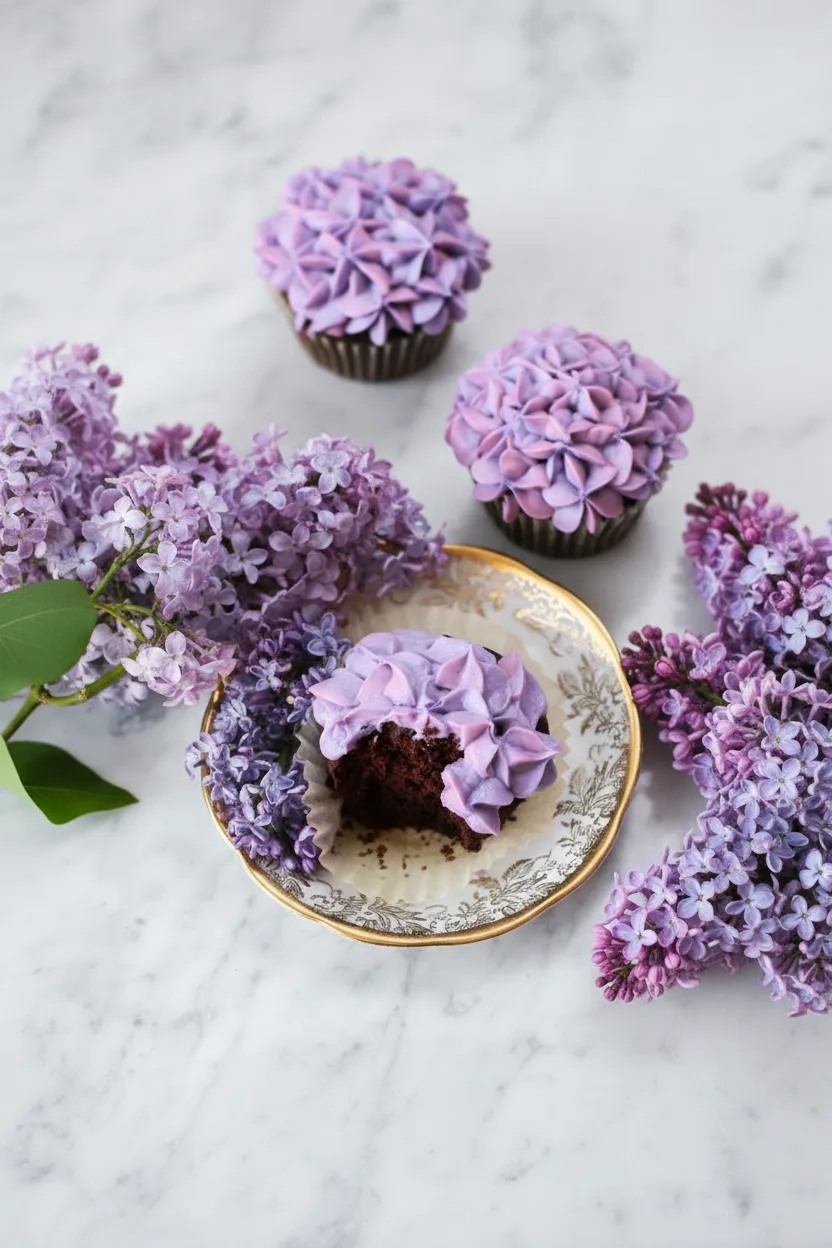
Each bite brings a unique taste adventure. Furthermore, they look stunning with a pastel cream cheese frosting tinted in soft violet and pink hues. This recipe guides you through creating these beautiful treats from scratch. You will learn how to safely use edible flowers in baking. Ultimately, you will master a dessert that impresses both the eyes and the palate.
Why You’ll Love This Recipe
You will adore these cupcakes for several reasons. First, they offer a sophisticated flavor profile that feels both luxurious and homey. The floral hint from the lilac infusion pairs surprisingly well with deep chocolate.
Second, they are surprisingly simple to make. The process involves basic baking techniques you probably already know. Additionally, the visual result is breathtaking. The soft, two-toned frosting on top of dark chocolate cakes creates a beautiful contrast.
These cupcakes are perfect for spring celebrations, Mother’s Day, or simply to brighten a regular day. They also make a wonderful conversation starter at any gathering.
Recipe
Print
Lilac Chocolate Cupcakes
- Total Time: 1 hr 35 min
- Yield: 6 servings 1x
- Diet: Vegetarian
Description
Moist chocolate cupcakes infused with delicate lilac syrup, topped with a beautiful pastel cream cheese frosting.
Ingredients
- 1 cup lilac flowers, washed and trimmed
- 1/2 cup sugar
- 1/2 cup water (120 ml)
- 4 1/2 tablespoons unsalted butter, room temperature (60 g)
- 1/2 cup brown sugar (80 g)
- 1 large egg
- 1/2 cup + 2 tablespoons all-purpose flour (95 g)
- 1/4 cup cocoa powder (25 g)
- 1/2 teaspoon baking soda
- 1/8 teaspoon salt
- 100 ml whole milk (approx 6.5 tbsp)
- 3 tablespoons sour cream (45 g)
- 6 tablespoons cream cheese, softened (85 g)
- 1/3 cup unsalted butter, softened (75 g)
- 2 – 3 cups icing sugar (240–360 g)
- 2 tablespoons whole milk (30 ml)
- 1 teaspoon vanilla extract (5 ml)
- 1 drop violet food colouring
- 1 drop dusty pink food colouring
Instructions
- Make the lilac syrup: In a small saucepan, combine lilac flowers, sugar, and water. Bring to a simmer, stir until sugar dissolves. Remove from heat, steep for 30 minutes, then strain. You need 1/4 cup of cooled syrup for the cupcakes.
- Preheat oven to 350°F (175°C). Line a muffin tin with 6 cupcake liners.
- Whisk dry ingredients: In a medium bowl, whisk together flour, cocoa powder, baking soda, and salt.
- Cream butter and sugar: In a large bowl, cream the room-temperature butter and brown sugar with a mixer until light and fluffy, about 2-3 minutes.
- Add egg: Beat in the large egg until fully incorporated.
- Combine wet and dry: Alternately add the dry ingredient mixture and the milk-sour cream mixture to the butter mixture, beginning and ending with the dry ingredients. Mix until just combined.
- Add lilac syrup: Gently mix in the 1/4 cup of cooled lilac syrup until the batter is smooth.
- Bake: Divide batter evenly among the 6 liners. Bake for 18-22 minutes, or until a toothpick inserted comes out with a few moist crumbs. Cool in pan for 5 minutes, then transfer to a wire rack to cool completely.
- Make frosting: Beat softened cream cheese and butter until smooth. Gradually add 2-3 cups of icing sugar, beating well. Add milk and vanilla extract. Finally, beat in one drop each of violet and dusty pink food coloring until uniformly colored.
- Frost cupcakes: Once cupcakes are completely cool, frost them with a knife or piping bag. Garnish with extra lilac blossoms if desired.
Notes
- Use only pesticide-free, edible lilac flowers.
- Ensure all dairy ingredients (butter, cream cheese, milk, sour cream) are at room temperature for best results.
- Do not overmix the cupcake batter to avoid dense cakes.
- Cool cupcakes completely before frosting.
- Leftover lilac syrup can be stored in the refrigerator for other uses.
- Prep Time: 45 min
- Cook Time: 20 min
- Category: Main Course
- Method: Baked
- Cuisine: American
Nutrition
- Serving Size: 1 cupcake
- Calories: 415
- Sugar: 48g
- Sodium: 220mg
- Fat: 19g
- Saturated Fat: 11g
- Unsaturated Fat: 6g
- Trans Fat: 0g
- Carbohydrates: 61g
- Fiber: 1g
- Protein: 4g
- Cholesterol: 75mg
Ingredients and Substitutions
Gathering your ingredients is the first step to success. Here is what you need, along with handy swaps for flexibility.
Base Components
- Lilac Flowers: Use 1 cup of fresh, pesticide-free lilac blossoms. Ensure you wash and trim them well. If lilacs are unavailable, dried culinary lavender is a good substitute. Use just 2 tablespoons of dried lavender.
- Sugars: You need both 1/2 cup regular sugar for the syrup and 1/2 cup (80g) brown sugar for the cake. Brown sugar adds moisture and a slight molasses note. You can use all light brown sugar if needed.
- Fats: The recipe uses unsalted butter for both the cake and frosting. Having it at room temperature is crucial for proper creaming. For a dairy-free version, use a high-quality plant-based butter alternative.
Dry and Wet Mix
- Flour and Cocoa: Standard all-purpose flour works perfectly. For the cocoa, use natural, unsweetened cocoa powder for the best chocolate flavor.
- Leavening and Salt: Baking soda helps the cakes rise. A small amount of salt balances the sweetness.
- Dairy: Whole milk and sour cream ensure a tender, moist crumb. You can substitute full-fat plain yogurt for the sour cream. For a lighter cake, try buttermilk instead of the milk and sour cream combination.
Frosting Elements
- Cream Cheese Frosting: This uses softened cream cheese, butter, icing sugar, milk, and vanilla. For a tangier frosting, use all cream cheese and omit the butter. For a stiffer frosting for piping, add more icing sugar gradually.
- Food Coloring: A drop of violet and a drop of dusty pink gel food coloring create the lovely pastel shade. You can use natural alternatives like a tiny bit of beet powder for pink or blueberry powder for purple.
How to Make Lilac Chocolate Cupcakes
Follow these clear steps for perfect cupcakes every time. The process is broken down into three main parts: making the lilac syrup, baking the cupcakes, and preparing the frosting.
Step 1: Create the Lilac Syrup
Begin by making a simple lilac-infused syrup. This captures the floral essence. First, combine 1 cup of washed lilac flowers, 1/2 cup sugar, and 1/2 cup water in a small saucepan. Then, bring the mixture to a gentle simmer over medium heat. Stir until the sugar completely dissolves.
After that, remove the pan from the heat. Let the flowers steep in the syrup for at least 30 minutes. Finally, strain the syrup through a fine mesh sieve. You need 1/4 cup of this cooled syrup for the cupcake batter. You can store any extra in the refrigerator for another use.
Step 2: Mix the Devil’s Food Cupcake Batter
Preheat your oven to 350°F (175°C). Line a muffin tin with 6 cupcake liners. In a medium bowl, whisk together the dry ingredients: 1/2 cup + 2 tablespoons all-purpose flour, 1/4 cup cocoa powder, 1/2 teaspoon baking soda, and 1/8 teaspoon salt.
Set this aside. In a large mixing bowl, cream 4 1/2 tablespoons (60g) of room-temperature butter with 1/2 cup (80g) brown sugar.
Use an electric mixer on medium speed for 2-3 minutes until the mixture is light and fluffy. Next, beat in one large egg until fully combined. Now, alternately add the dry ingredients and the wet ingredients. Start and end with the dry mix.
Add the dry ingredients in three parts. For the wet, mix 100 ml whole milk with 3 tablespoons sour cream. Add this in two parts. Finally, mix in the 1/4 cup of cooled lilac syrup. Mix just until the batter is smooth, being careful not to overmix.
Step 3: Bake and Cool
Divide the batter evenly among the 6 prepared cupcake liners. Each should be about two-thirds full. Bake for 18-22 minutes. You can test for doneness by inserting a toothpick into the center of a cupcake.
It should come out with just a few moist crumbs attached. Then, remove the cupcakes from the oven. Let them cool in the pan for 5 minutes. After that, transfer them to a wire rack to cool completely before frosting. This step is important because warm cupcakes will melt the frosting.
Step 4: Make the Cream Cheese Frosting
While the cupcakes cool, prepare the frosting. In a clean mixing bowl, beat 6 tablespoons of softened cream cheese with 1/3 cup of softened unsalted butter. Beat them together until very smooth and creamy.
Gradually add 2 to 3 cups of icing sugar, one cup at a time, beating well after each addition. After adding 2 cups, assess the consistency. For a stiffer frosting, add more sugar.
Then, mix in 2 tablespoons of whole milk and 1 teaspoon of vanilla extract. Finally, add one drop of violet food coloring and one drop of dusty pink food coloring. Beat until the color is even and you achieve a lovely, soft pastel shade.
Step 5: Assemble the Cupcakes
Once the cupcakes are completely cool, it’s time to frost them. You can spread the frosting on with a knife or pipe it using a piping bag and a large star tip. For a decorative touch, garnish with a few small, clean lilac blossoms or edible glitter. Your beautiful lilac chocolate cupcakes are now ready to serve and enjoy.
Pro Tips for Success
Follow these expert tips to guarantee your cupcakes turn out perfectly. First, always use room-temperature dairy ingredients. Cold butter and cream cheese will not cream properly and can lead to a lumpy frosting.
Second, do not overmix the cupcake batter. Mix just until the ingredients are combined. Overmixing develops gluten, which results in tough cupcakes. Third, ensure your lilac syrup is completely cool before adding it to the batter.
A warm syrup can prematurely activate the baking soda. Fourth, when making the frosting, sift your icing sugar. This prevents lumps and creates a smoother, silkier texture. Finally, for the best floral flavor, use fresh, aromatic lilac blossoms.
Their fragrance directly translates to the syrup’s taste. If you love unique dessert flavors, you might also enjoy exploring our collection of easy lemon dessert recipes for a different kind of bright, fresh taste.
Flavor Variations
This recipe is wonderfully adaptable. Feel free to experiment with these fun twists. For a stronger floral note, add 1/2 teaspoon of culinary lavender extract to the frosting. If you prefer a citrus pairing, add the zest of one lemon or orange to the cupcake batter.
For a nutty crunch, fold 1/3 cup of finely chopped toasted almonds or hazelnuts into the batter. You could also create a chocolate-lilac filling.
Simply use a piping tip to inject a little of the leftover lilac syrup into the center of each cooled cupcake before frosting. Another idea is to switch the frosting. A simple lilac-infused buttercream or a dark chocolate ganache would also be delicious.
Serving Suggestions
These cupcakes are delightful on their own but can be part of a larger spread. Serve them alongside a pot of floral tea, like jasmine or earl grey, to complement the lilac notes. For a dessert platter, pair them with fresh berries and a dollop of whipped cream. They also make a stunning end to a spring brunch.
Consider serving them after a light and healthy dinner for a satisfying yet not-too-heavy sweet finish. For presentation, arrange them on a tiered cake stand decorated with real lilac sprigs.
Storage and Freezing Instructions
Proper storage keeps your cupcakes fresh and tasty. Store frosted cupcakes in a single layer in an airtight container in the refrigerator for up to 3 days. Let them sit at room temperature for about 20 minutes before serving for the best texture.
You can also store unfrosted cupcakes at room temperature for 2 days. For longer storage, freeze them. Wrap unfrosted, cooled cupcakes individually in plastic wrap and place them in a freezer bag. They will keep for up to 2 months.
Thaw overnight in the refrigerator. The cream cheese frosting can also be frozen in an airtight container for up to a month. Simply re-whip it briefly after thawing to restore its smooth texture.
Nutrition Facts per Serving
| Calories | Fat | Carbs | Protein | Fiber | Sugar | Sodium |
|---|---|---|---|---|---|---|
| 415 | 19g | 61g | 4g | 1g | 48g | 220mg |
FAQs About Lilac Chocolate Cupcakes
Here are answers to the most common questions about this special recipe.
Are lilac flowers safe to eat?
Yes, common lilac blossoms are edible. However, you must be absolutely certain the flowers have not been treated with pesticides, herbicides, or other chemicals. Only use flowers from your own garden or a trusted organic source. Always wash them gently but thoroughly.
Can I use dried lilacs or lavender?
Absolutely. Dried culinary lavender is a perfect and often more convenient substitute. Use about 2 tablespoons of dried lavender to make the syrup. Steep it just like the fresh flowers. The flavor will be slightly more concentrated.
Why did my cupcakes turn out dense?
Dense cupcakes usually result from overmixing the batter or using cold ingredients. Remember to mix just until combined and ensure your egg, milk, and butter are at room temperature before starting. Also, check your baking soda is fresh.
Can I make these cupcakes ahead of time?
You can bake the cupcakes up to a day in advance. Let them cool completely, then store them unfrosted in an airtight container. Make the frosting and frost them the day you plan to serve them for the best texture and appearance. This is a great strategy for party planning, much like preparing make-ahead lemon desserts for a crowd.
My frosting is too runny. How can I fix it?
If your cream cheese frosting is too soft, the butter or cream cheese may have been too warm. Chill the mixture in the refrigerator for 20-30 minutes, then re-whip. You can also gradually add more sifted icing sugar, a quarter cup at a time, until it reaches the desired stiffness.
Final Thoughts
These lilac chocolate cupcakes are more than just a dessert. They are a celebration of seasonal flavors and a testament to creative baking. The process of making the lilac syrup fills your kitchen with a wonderful spring fragrance. Meanwhile, the rich chocolate cake provides a comforting, familiar base.
The pastel frosting adds the perfect final touch of beauty and sweetness. This recipe invites you to slow down and enjoy the art of baking. It also encourages you to look at common garden flowers in a new, delicious way. We hope you enjoy making and sharing these unique treats as much as we do. Happy baking!